Jeep Steering Problems After a Lift


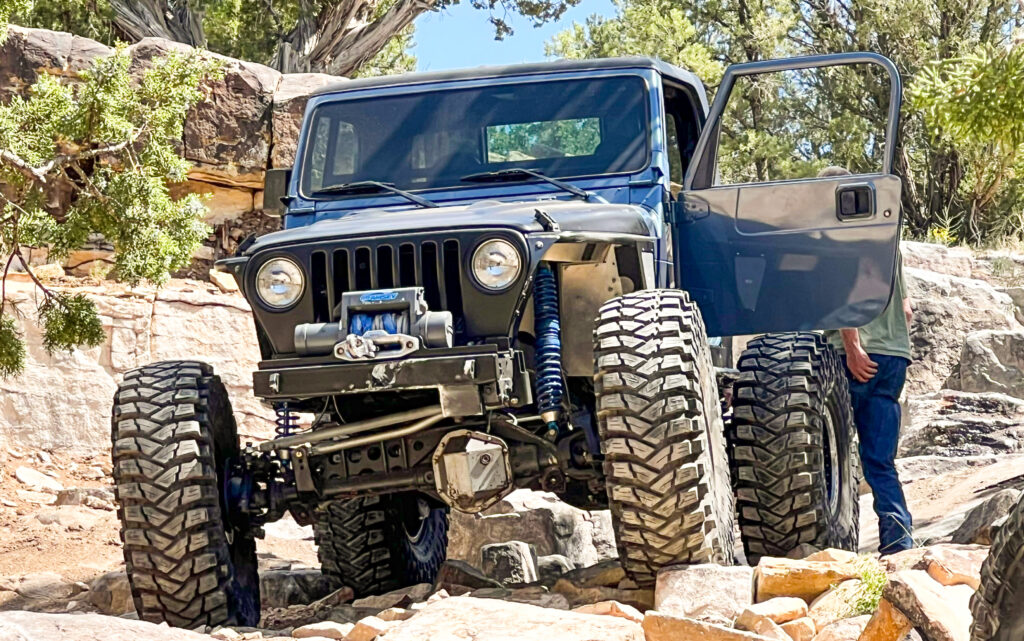
One of the most common Jeep steering problems after a lift is not drivetrain failure or broken axles — it’s wear throughout the steering system.
In fact, steering is often the first system to show wear after a Jeep is modified. Bigger tires add leverage, weight, and stress to components that were never designed to handle that load long-term. Even modern Jeeps with improved factory steering eventually reach their limits.
If your Jeep feels vague, wanders on the road, or develops shaking at speed, the problem usually starts in the steering system.
Why Lifting a Jeep Accelerates Steering Wear
When you lift a Jeep, you change suspension geometry. When you add larger tires, you increase rotational mass and leverage. Together, these changes place far more stress on the steering system than stock components were designed to handle.
Steering inputs that once moved lightweight factory tires now have to control:
Heavier wheels and tires
Increased scrub radius
Greater resistance from the trail
Over time, this constant load causes wear at connection points throughout the system.
This is why steering problems often appear before drivetrain or axle failures in modified Jeeps. Understanding the full chain reaction of modifications helps explain why steering becomes the first failure point.
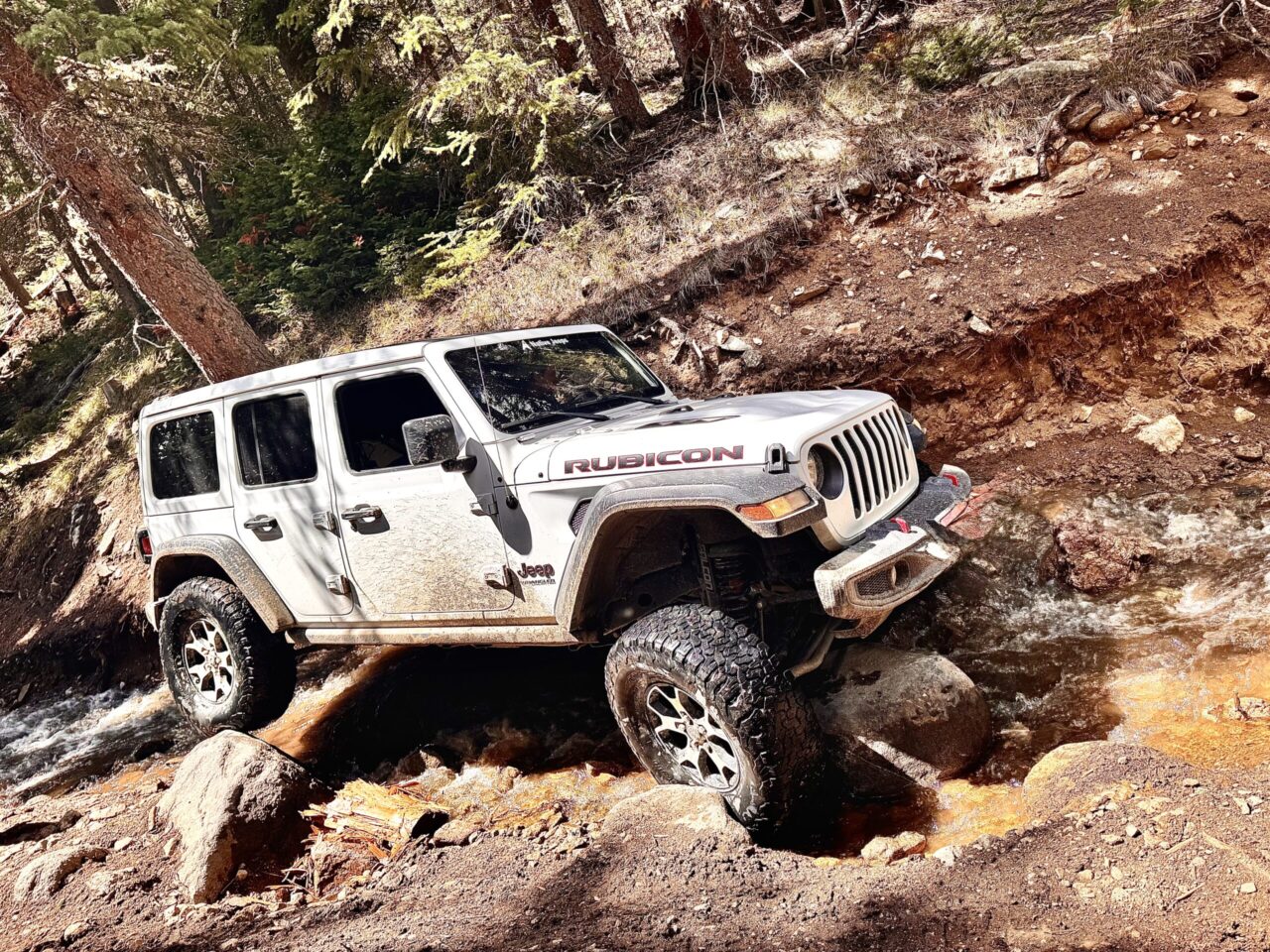
Common Steering Components That Wear After a Lift
Steering is not a single part — it’s a system. When one component begins to wear, the next component absorbs the stress.
The most common components affected include:
Tie rod and tie rod ends
These experience increased leverage from larger tires and often develop play first.Drag link
Especially vulnerable on lifted Jeeps where angles are steeper and loads are higher.Track bar and bushings
Worn track bar bushings are a major contributor to steering instability and death wobble.Steering box and steering pump
Increased effort from larger tires accelerates wear and can lead to leaks or inconsistent steering feel.Knuckles and mounting points
These can oval out or loosen over time, worsening alignment issues.Steering stabilizer
Often blamed for steering problems, but usually masking underlying wear elsewhere.
Once play develops in any of these areas, the system begins to feed movement back and forth — leading to instability.
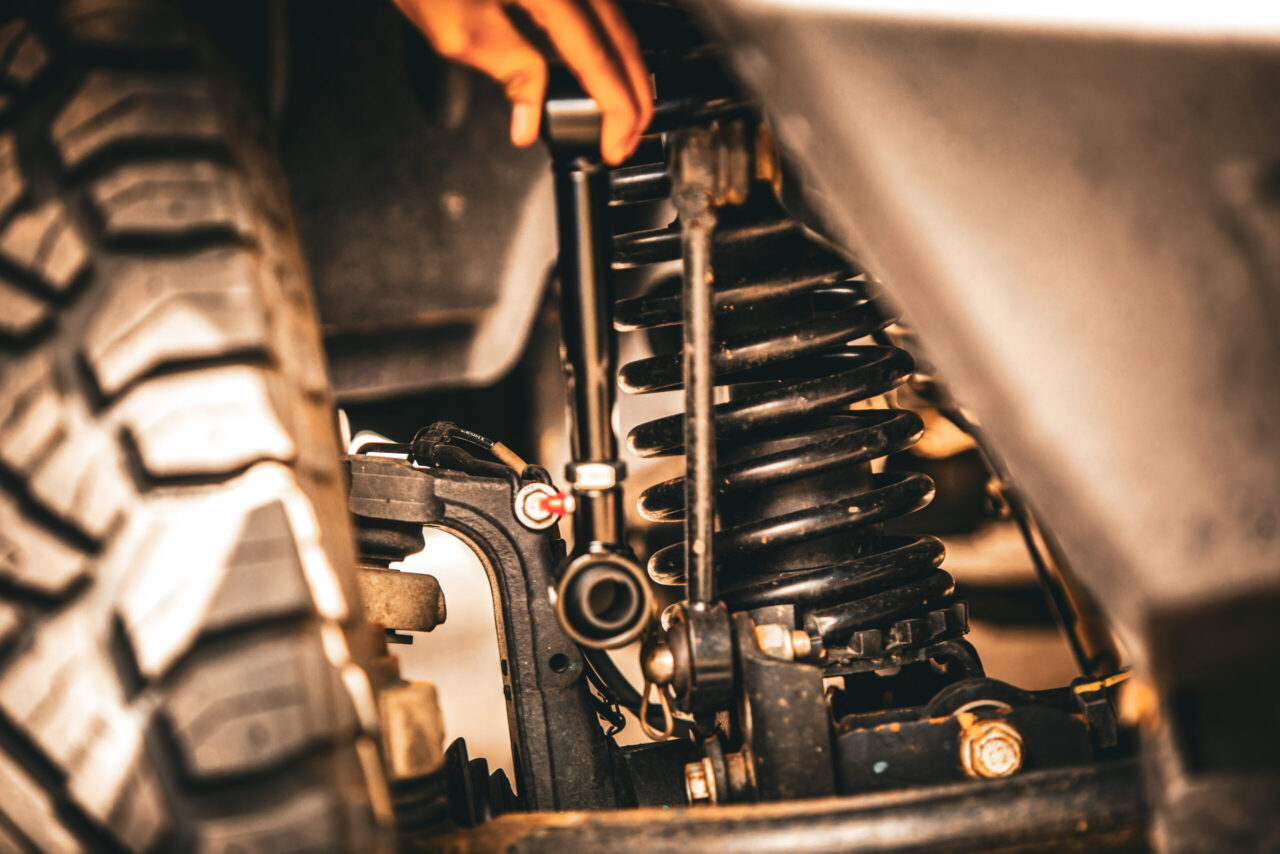
Death Wobble: A Symptom, Not the Cause
Death wobble is one of the most feared steering problems among Jeep owners, but it’s often misunderstood.
It is not caused by a single bad part. It occurs when multiple worn components allow uncontrolled oscillation in the steering and suspension system.
Common contributors include:
Worn tie rod ends
Loose or worn track bar bushings
Improper caster or alignment
Out-of-round tires
Replacing only the steering stabilizer may temporarily reduce symptoms, but it does not fix the underlying problem.
The real solution is identifying and correcting the worn components causing excessive play.
Stock vs. Aftermarket Steering Components
Most lift kits focus on suspension components and leave steering stock to meet a price point. While factory steering on newer Jeeps is improved over earlier generations, it still has limits.
Aftermarket steering upgrades typically offer:
Thicker tubing
Larger, stronger joints
Improved mounting hardware
Better resistance to trail impacts
For Jeeps running larger tires or seeing frequent off-road use, upgrading steering components becomes a matter of reliability, not performance.
Signs of Jeep Steering Problems After a Lift
If your Jeep shows any of the following symptoms, drivers should inspect steering wear immediately.
Wandering or loose steering feel
Shaking or vibration at specific speeds
Steering wheel not returning to center
Clunking or popping noises over bumps
Uneven tire wear
Catching steering wear early can prevent more expensive failures and reduce stress on other systems.
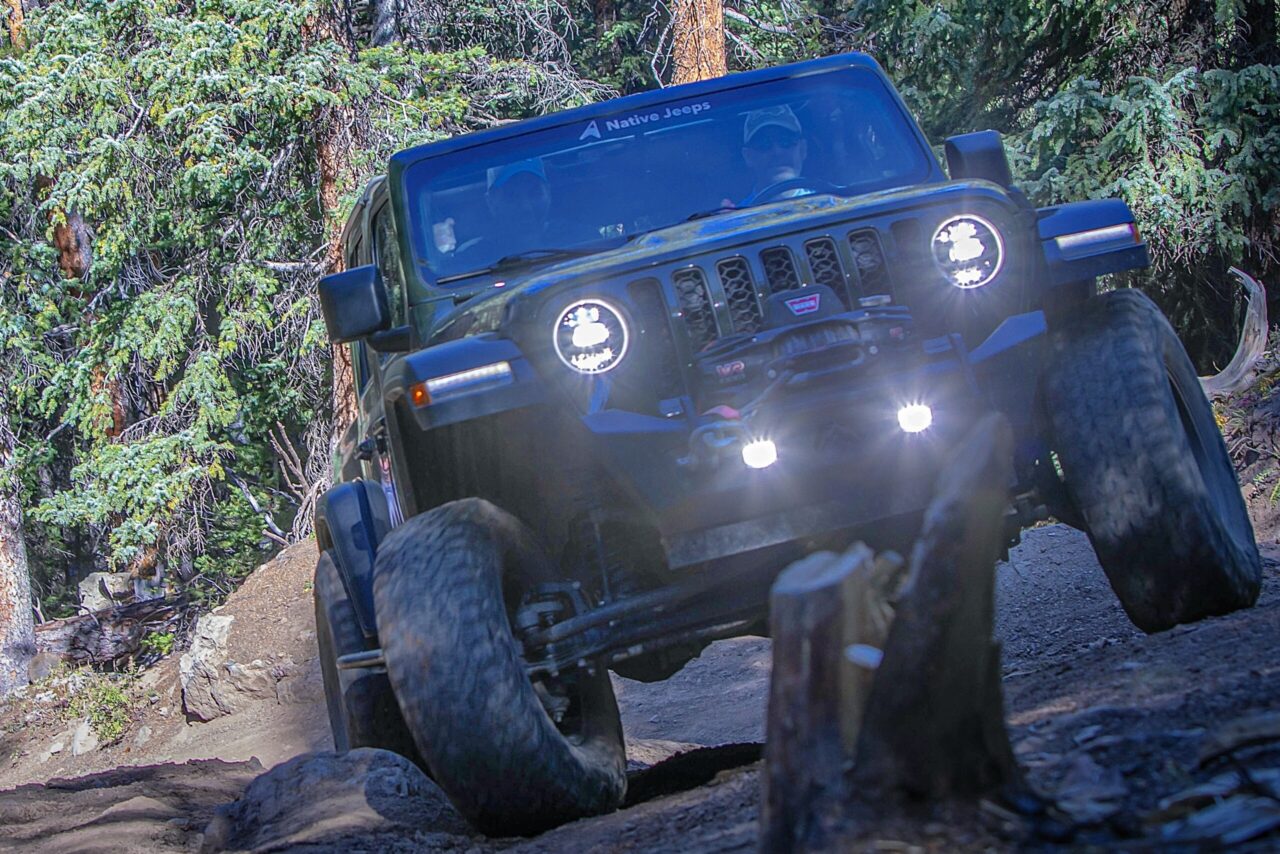
Steering Is Often the First Weakest Link
Steering problems don’t mean your Jeep is poorly built — they mean it’s being used as intended.
After you lift a Jeep and install larger tires, steering components often become the first weakest link in the modification chain. Understanding Jeep steering problems after a lift helps owners upgrade proactively before minor wear turns into major steering instability.
This is why steering is frequently the first system addressed when building a capable, reliable Jeep.
How This Fits Into the Bigger Picture
Steering issues are just one part of the modification chain reaction. As steering components are strengthened, stress shifts to other systems like driveshafts, gearing, and axles.
For a full breakdown of how Jeep modifications affect every major system, read our pillar guide: